
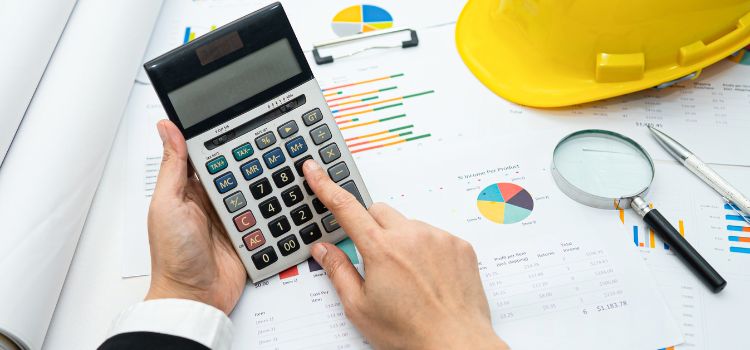
Construction accounting is a specialized branch of accounting designed to address the unique financial challenges of the construction industry. Unlike traditional businesses that operate in fixed locations with predictable costs, construction companies manage multiple projects, changing job sites, fluctuating costs, and long-term contracts. Because of this complexity, standard accounting methods often fall short making construction accounting essential for accurate financial management.
Why Construction Accounting Is Different
Construction businesses don’t operate like typical service or retail companies. Each project is unique, timelines can stretch over months or years, and costs vary constantly. This creates several accounting challenges, including:
- Tracking expenses across multiple job sites
- Managing long-term contracts and revenue recognition
- Dealing with fluctuating material and labor costs
- Handling progress billing and retainage
- Allocating overhead properly
Construction accounting is specifically designed to handle these complexities, giving contractors better control over their finances.
Key Components of Construction Accounting
1. Job Costing
At the core of construction accounting is job costing—the process of tracking all costs related to a specific project.
This includes:
- Labor (employees and subcontractors)
- Materials
- Equipment usage
- Permits and other direct costs
Job costing allows contractors to measure the profitability of each project and make informed decisions.
2. Progress Billing
Unlike traditional businesses that bill customers upfront or at the point of sale, construction companies often bill clients based on project progress.
Common billing methods include:
- Percentage of completion
- Milestone-based billing
- Unit pricing
Progress billing ensures steady cash flow throughout the project lifecycle.
3. Revenue Recognition
Construction projects often span multiple accounting periods, which means revenue cannot always be recognized immediately.
Two common methods are:
- Percentage of Completion Method: Revenue is recognized as the project progresses
- Completed Contract Method: Revenue is recognized only when the project is finished
Choosing the right method is crucial for accurate financial reporting.
4. Retainage Management
Retainage is a portion of payment withheld by clients until the project is completed satisfactorily. While common in construction, it can create cash flow challenges.
Construction accounting tracks:
- Retainage receivable (money owed to you)
- Retainage payable (money you owe subcontractors)
Proper management ensures financial stability and avoids disputes.
5. Cost Allocation and Overhead
Construction companies incur both direct and indirect costs. While direct costs are tied to specific jobs, overhead expenses (like office rent, insurance, and administrative salaries) must be allocated appropriately.
Accurate allocation ensures that each project reflects its true cost and profitability.
Common Challenges in Construction Accounting
Even experienced contractors face difficulties without proper systems in place:
- Inaccurate job costing leading to lost profits
- Cash flow issues due to delayed billing or retainage
- Difficulty tracking multiple projects simultaneously
- Compliance with tax regulations and reporting standards
- Manual processes and outdated spreadsheets causing errors
These challenges highlight the need for a structured accounting approach tailored to construction.
Benefits of Construction Accounting
When implemented effectively, construction accounting offers several advantages:
- Improved Profitability: Clear visibility into project costs and margins
- Better Decision-Making: Data-driven insights for bidding and planning
- Stronger Cash Flow Management: Timely billing and expense tracking
- Regulatory Compliance: Accurate financial records and reporting
- Scalability: Systems that support business growth
Technology in Construction Accounting
Modern construction businesses are increasingly adopting specialized accounting software to streamline operations. These tools help with:
- Real-time job costing
- Automated invoicing and billing
- Financial reporting and dashboards
- Integration with project management systems
Using the right technology reduces manual errors and improves efficiency.
Construction accounting is more than just tracking income and expenses it’s a strategic system that helps contractors manage complex projects, control costs, and maximize profitability. Without it, businesses risk financial mismanagement, reduced margins, and limited growth opportunities.
At Accounting Solutions, we specialize in construction accounting services tailored to contractors and construction businesses. From accurate job costing and bookkeeping to advanced financial reporting and CFO services, we help you gain full visibility into your finances—so you can focus on delivering successful projects while building a stronger, more profitable business.
Leave A Comment